The Thirteenth Passenger
Some debts are not collected until the lender has almost forgotten them.
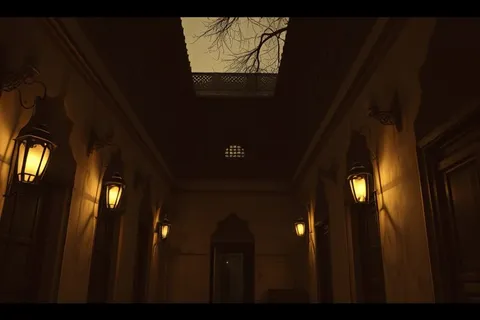
The scene
A haveli in Katra Neel, the narrow cloth-merchant lanes of Old Delhi, December 1962. The Khanna household, refugees from Lahore since 1947, are celebrating the patriarch's son's engagement. Half the household is away at the bride's family in Karol Bagh.
The victim
Lala Devraj Khanna, 74, a refugee cloth merchant, found stabbed in the courtyard of his own haveli. Both doors framing the courtyard were bolted from the inside, and the killer left through neither.
The suspects
- Miss Sushma Madan (Upstairs Tenant) — Rents the upper floor of the Khanna haveli, and is the only person in the house with no blood tie to the family, or so she has always claimed.
- Amrit Khanna (Eldest Son) — Stands to take over his father’s cloth business the moment Lala Devraj is gone, a fact the old man reminded him of often and pointedly.
- Mrs. Prem Khanna (Widow) — Fled Lahore with her husband in 1947, and has spent fifteen years hearing him insist the family owes a debt from that crossing nobody else was ever told about.
- Ram Lal Khatri (Carpenter Next Door) — Has done repair work on the Khanna haveli for years, including, three weeks ago, work on the very courtyard doors that were bolted the night of the murder.
Every one of them is hiding something, and their alibis form a single shared timeline. Somewhere in it, one statement cannot possibly be true. Find the contradiction and you have found the killer.
How to read this case
Both doors framing the courtyard were bolted from inside, and half the household was away at an engagement dinner across the city, which leaves a short list of people who could have reached Lala Devraj at all that night. The debt he never told most of his own family about is the key to why; the bolted doors are the key to how. Neither answer makes complete sense without the other, and this case will not let you skip straight to motive.
Why play it
The Thirteenth Passenger carries the real weight of Partition into a locked-room mystery, an old debt from a 1947 crossing finally coming due fifteen years later in a bolted Old Delhi courtyard. It was the first case PLAY INQUEST ever shipped outside the main casebook, proof that a fresh mystery can arrive without waiting for an app update, and it remains one of the most quietly devastating cases in the collection. If you like your mysteries carrying real historical grief underneath the puzzle, this is the one to play.
That is as far as any file goes without spoiling it. The rest, the confession, the weapon, the one lie that breaks the whole timeline, is yours to work out in the game.
This handcrafted case is free to play. A Google account is required to open the casebook; today's Daily Dossier can be started without an account.